
Did Ford’s Maverick Pay Off? Sales, Strategy, and Impact Explained
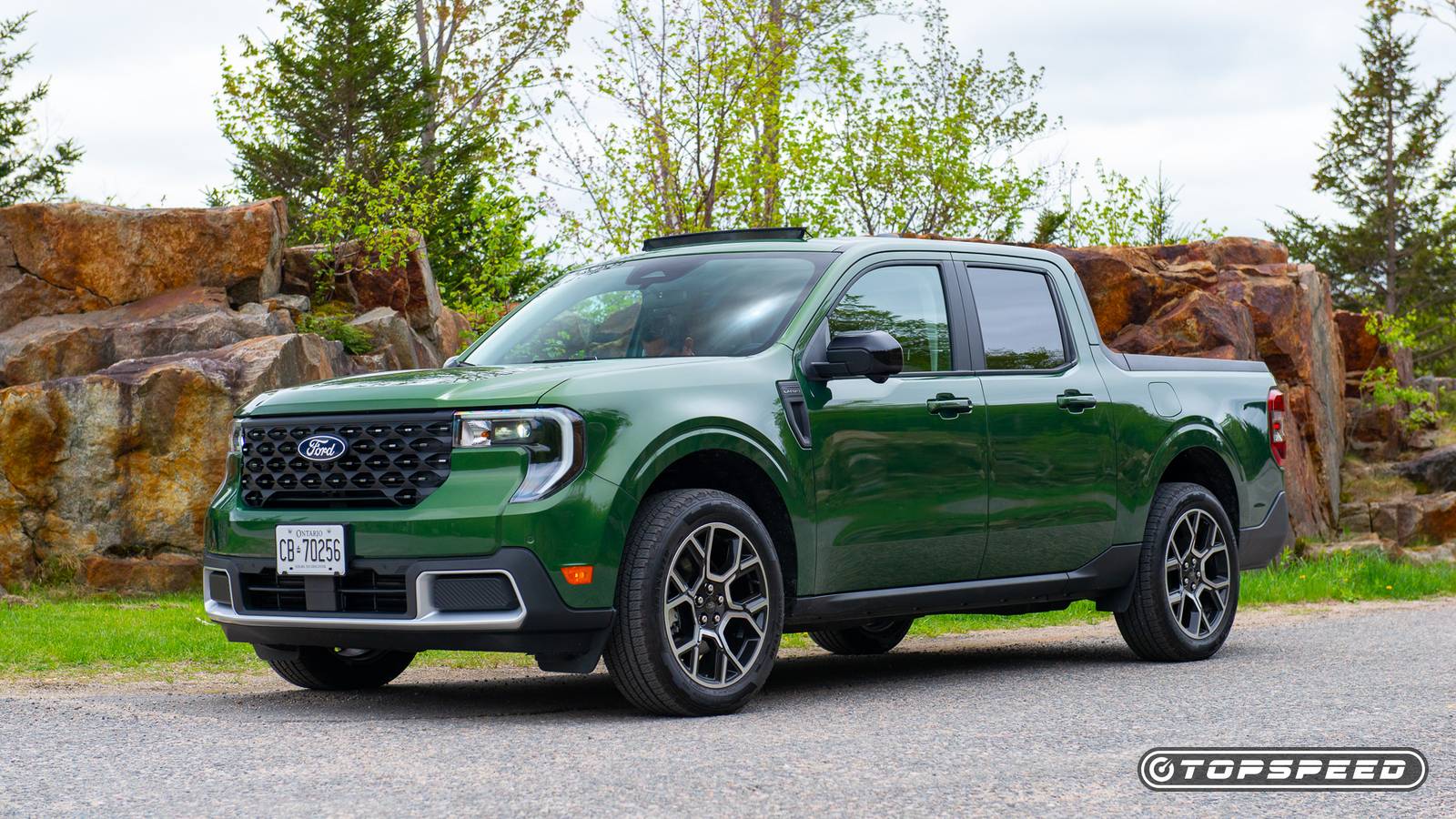
When Ford announced the Maverick in 2021, it felt like a bold and risky move. At a time when pickup trucks in America were getting larger, more luxurious, and more expensive, Ford decided to go small—literally. The Maverick wasn’t designed to compete with the best-selling F-150 or even the midsize Ranger. Instead, it targeted a gap the market had long forgotten: a compact, affordable pickup that delivered utility without excess. It was a gamble, one that risked alienating traditional truck buyers while attempting to win over younger, budget-conscious customers who may have never considered a pickup before.
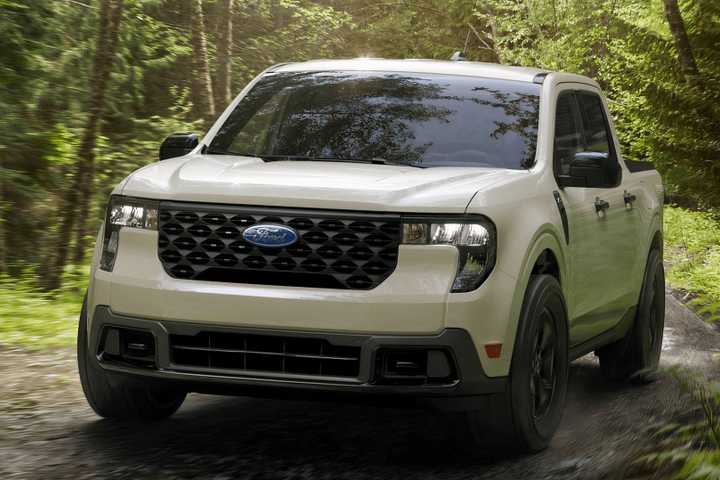

- Base Trim Engine
-
2.5-liter hybrid inline-4
- Base Trim Transmission
-
CVT
- Base Trim Drivetrain
-
Front-Wheel Drive
- Base Trim Horsepower
-
191 hp @ 5,600 rpm
- Base Trim Torque
-
155 lb-ft (ICE only)
Four years later, the numbers are in—and the Maverick’s story is anything but quiet. From a modest 13,000-unit debut in late 2021 to a remarkable 131,000 trucks sold in 2024, the Maverick has not only carved out a niche but created an entirely new segment of modern compact trucks. Heading into 2025, it’s on pace to set another sales record, proving that Ford’s smallest truck has become one of its most important. The question isn’t whether the gamble paid off—it’s how big the payoff really is.
To give you the most up-to-date and accurate information possible, the data used to compile this article was sourced from Ford and other authoritative sources.
Launch To Lift-Off: Maverick’s 2021–2022 Ramp Proves America Wanted a True Compact Pickup

The Maverick’s 2021 debut was late in the year, giving Ford only a partial selling season. Even so, it moved 13,258 units in that first year, a strong signal of demand for a vehicle with no real direct competitor at the time. By 2022, with production fully online, sales skyrocketed to 74,370, an astonishing 461 percent jump year-over-year.
This wasn’t just pent-up curiosity; it was proof that Ford had tapped into something the U.S. market had been missing. Compact trucks were once a staple of American roads in the ’80s and ’90s, but by the 2010s, they had all but disappeared. Buyers who wanted a small, efficient truck were left with few options until the Maverick’s arrival. Its $20,000-range starting price, standard hybrid powertrain, and practical design made it an instant hit among younger buyers and those new to the Ford brand.
Maverick Swipes Buyers From SUVs And Sedans

What’s particularly noteworthy is how many Mavericks were conquest sales. Many buyers weren’t stepping down from an F-150; they were moving over from compact SUVs, sedans, or even crossovers. That customer diversification was exactly what Ford needed to broaden its truck portfolio.
Nearing Six Figures In 2023: Supply Stabilization And Hybrid Mix Push The Maverick Mainstream

By 2023, the Maverick had moved beyond “niche experiment” into mainstream recognition. Sales reached 94,058 – a 26.5 percent increase over 2022. This was no fluke; supply chains were stabilizing post-pandemic, and Ford could finally deliver more trucks to dealers.
One of the Maverick’s strongest assets was its hybrid powertrain. Unlike most trucks that put efficiency as a secondary consideration, the Maverick launched with a standard hybrid system good for over 40 mpg city. That resonated with budget-conscious buyers struggling with high fuel costs. The optional turbocharged EcoBoost engine brought more towing capacity and performance, broadening its appeal.
Breathing Life Into A Stale Market

By now, the Maverick was no longer just a clever side project. It was eating into small SUV sales, proving that Americans still wanted a compact truck when it was priced and packaged correctly. This shift also pressured other automakers to reconsider their product lines. Hyundai’s Santa Cruz arrived around the same time, but it never hit the same volume or buzz, leaving Ford alone at the top of a revived segment.
Breakout Year In 2024: Production Expansion Turns Ford’s “Small Gamble” Into A Volume Cornerstone

If 2023 was about stability, 2024 was the breakout. Ford sold 131,142 Mavericks – a massive 39.4 percent increase year-over-year. This volume put the Maverick firmly in the conversation with established midsize players like the Toyota Tacoma and Chevrolet Colorado, despite being smaller and cheaper.
What drove this growth was a combination of production expansion and sustained demand. Ford was able to build more Mavericks than ever, and customers lined up for them. At one point, order banks had to be paused because demand exceeded supply. The Maverick’s unique blend of affordability, utility, and efficiency gave it a competitive advantage no other truck could match.
Data Shows A Shift In Buyer Base

Perhaps the most telling sign of its success was who was buying it. Data showed strong uptake among first-time truck buyers, younger demographics, and even urban dwellers who previously avoided pickups altogether. The Maverick wasn’t cannibalizing Ford’s other trucks—it was growing the pie. For Ford, that meant the gamble had officially paid dividends.
2025 Pace Check: YTD Momentum Is Running Ahead Of Last Year As The Hybrid Anchors Demand
Fast-forward to 2025, and the Maverick shows no signs of slowing down. Through July, Ford has already sold 98,078 units, compared to 90,054 during the same period in 2024, an 8.9 percent increase. July alone accounted for over 12,000 trucks sold, keeping the Maverick firmly on pace to beat last year’s record.
This is particularly impressive because 2024 set such a high bar. Many vehicles see demand taper after an initial surge, but the Maverick continues to build momentum. The hybrid remains its anchor, appealing to buyers who want pickup functionality without the gas bills of a full-size truck. And with inflation pushing up prices across the industry, the Maverick’s affordability remains one of its strongest selling points.
The Maverick Proves To Be A Very Versatile Option

Ford has also benefited from the Maverick’s versatility. It fits seamlessly into diverse lifestyles, whether as a commuter car, weekend adventure hauler, or small-business workhorse. That flexibility keeps it relevant across multiple customer bases, ensuring its continued success even as competition grows.
Ford’s Smallest Truck Rewires The Segment—And Justifies The Bet

Looking back at the Maverick’s trajectory, it’s hard to call it anything but a success story. From 13,258 units in its partial 2021 debut to potentially 150,000+ by the end of 2025, the Maverick has transformed from a gamble into a volume cornerstone for Ford. It fills a void in the market, attracts new buyers, and strengthens Ford’s dominance in the truck space.
The real genius of the Maverick lies in its positioning. It doesn’t try to be an F-150 or a Ranger; it redefines what a compact pickup can be. In doing so, it has proven that small trucks still have big appeal.
As competitors scramble to respond, Ford has already established itself as the leader in this revived segment. The Maverick’s sales arc shows that sometimes the riskiest moves are the most rewarding. In 2025, the Maverick isn’t just a gamble that worked; it’s a masterstroke.
link