
EU Kicks Off 2026 with Big IT Overhaul Tasks

04
Feb 2026
European Union officials and agency reps met online to plan its coordination for large-scale IT systems this 2026. The talks focused on streamlining border control, justice, and security tools across member states.
Officials set 2026 agenda
From January 12 to 16, the EU Agency for the Operational Management of Large-Scale IT Systems (eu-LISA) hosted its first Advisory Group meetings of 2026.
The sessions gathered representatives from EU member states, EU institutions, and partner agencies to review updates and coordinate implementation plans for the bloc’s large-scale IT systems.
The meetings addressed multiple systems in development or partial rollout, all of which support EU policy in areas like border management, migration, internal security, and justice.
Member states reviewed technical progress and shared feedback on operational challenges as they prepare for key milestones later this year.
EES rollout hits new milestone
The Entry/Exit System (EES), which began partial operations in October 2025, was a major focus during the meetings.
The system replaces manual passport stamping with digital registration, recording biometric and travel data each time a non-EU national enters or exits Schengen borders for short stays.
At the January session, officials reviewed operational monitoring and incident management procedures.
A significant development was the launch of the Carriers Web Services, which enable transport companies to check passengers’ travel data through EES before departure. The group also discussed ongoing biometric testing, system performance, and planned updates.
EES implementation is progressing gradually across participating countries, with full application expected by April 10, 2026.

(Image courtesy of EvgeniyShkolenko via iStock)
ETIAS readiness remains on track
The European Travel Information and Authorization System (ETIAS), scheduled to start operating in the last quarter of 2026, was also on the agenda.
The system will require travelers from 59 visa-exempt countries to obtain authorization before entering 30 European countries for short stays.
During the ETIAS Advisory Group meeting, participants reviewed progress on system security, architecture, and end-to-end testing. Updates were also shared on planned national support and steps toward operational readiness.
No applications are being accepted yet. The European Commission has stated that the official launch date will be announced several months in advance.
Secure justice platform advances
The Joint Investigation Teams Collaboration Platform (JITs CP) was discussed in the context of cross-border cooperation between judicial and law enforcement authorities.
The group reviewed updates on procurement, technical development, training, data protection, and business continuity planning.
This secure platform is designed to support case coordination across member states, though it remains under development. Testing and delivery timelines were key points of discussion.

(Image courtesy of Dzurag via iStock)
Testing hurdles for ECRIS-TCN
Participants also assessed the European Criminal Records Information System for Third-Country Nationals (ECRIS-TCN), which is in its compliance testing phase. The group discussed testing progress and national-level technical challenges that have surfaced.
eu-LISA presented a survey summary on the ECRIS Reference Implementation upgrade. The feedback helped gauge stakeholder readiness for the next development stages.
Center stage for interoperability
The interoperability framework, which aims to make separate EU information systems work together, was another focal point.
The January session covered legal readiness, access management, and identity screening features across systems for borders, migration, and security.
Participants also discussed upcoming shared service launches and how these might impact Schengen-associated countries. Go-live planning was noted as a key item requiring national coordination.
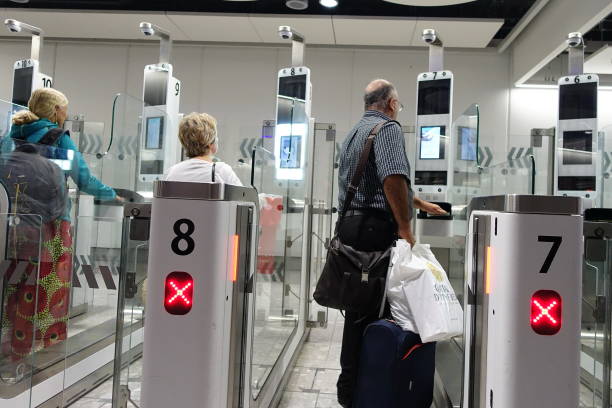
(Image courtesy of Akabei via iStock)
Digital borders take shape
The advisory meetings laid out how EU countries will coordinate IT systems that handle traveler data, identity checks, and judicial records throughout 2026.
EES and ETIAS are set to shift how non-EU nationals are processed at borders, with additional platforms still undergoing development.
As systems move toward full launch, member states are working to align legal, technical, and operational procedures to avoid delays or mismatches.
The January sessions mark the start of a year where digital infrastructure will shape how people enter, exit, and interact with Europe’s internal and external borders.
link